The Insight Advantage: Turn research into a competitive edge. Get the Report

CSG

How CSG Shipped a Complete Web Overhaul in Record Time

"We use GetWhys as our autonomous buyer research function."

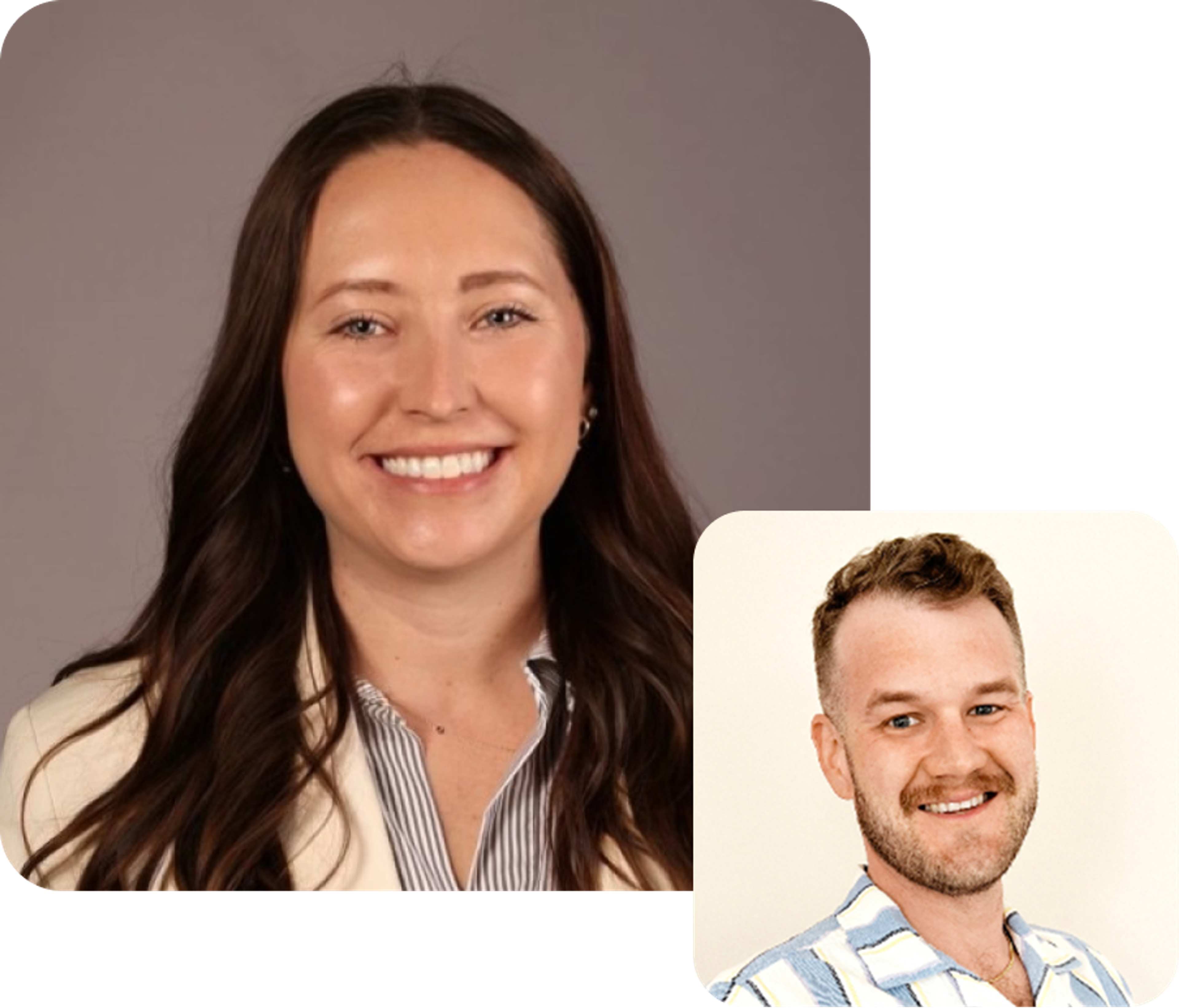
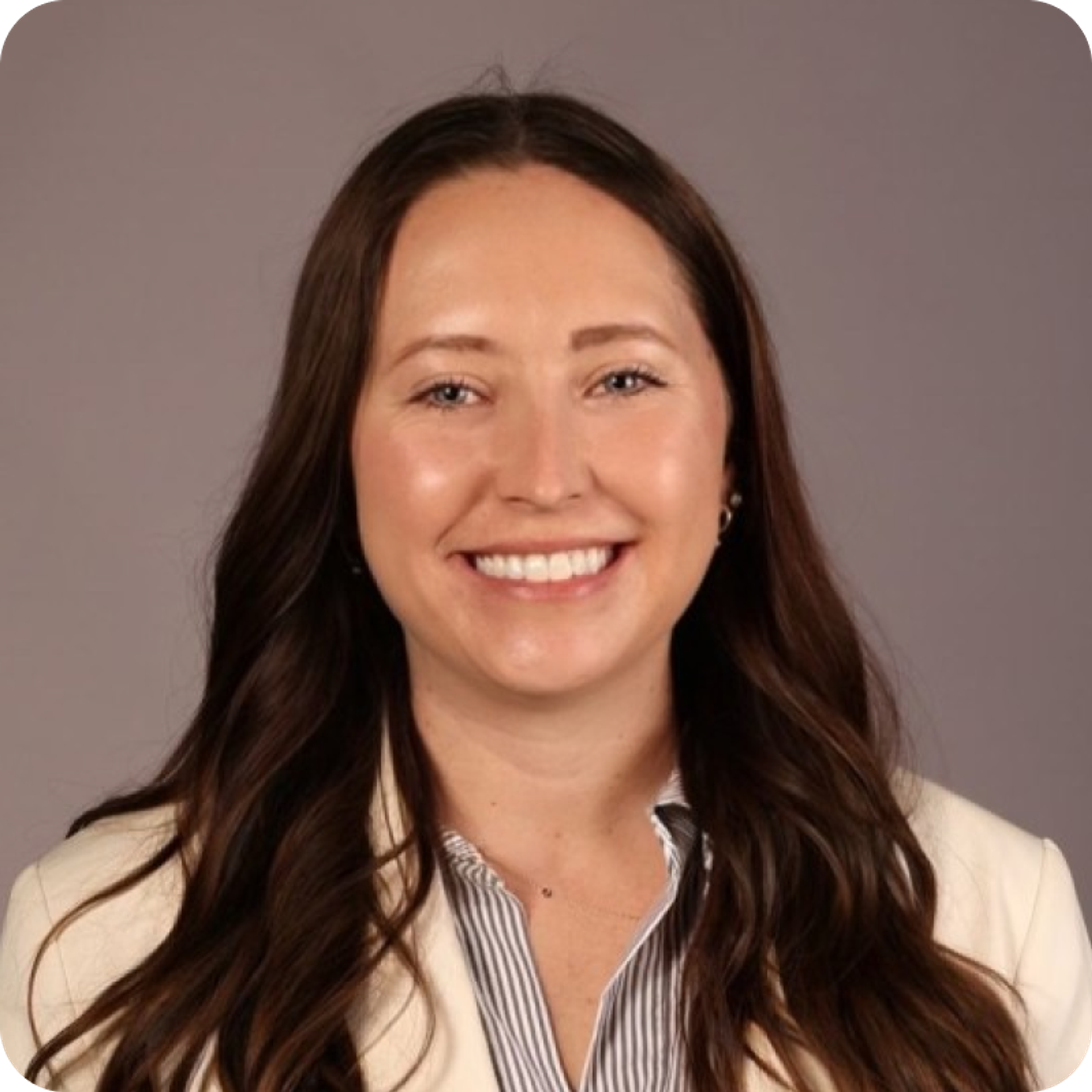
Erin Veltkamp headshot
Erin Veltkamp
Director of Product Marketing, CSG
INTRODUCTION

Meet CSG

Erin Veltkamp leads product marketing and research at CSG. Coming from a background in consulting and market research — she knew firsthand what rigorous buyer insight programs looked like, and more importantly, what it cost to build them. When she arrived at CSG, none of that infrastructure existed.

CSG is a global enterprise software company specializing in billing, revenue management, and customer engagement solutions. It serves large enterprise clients across telecom, media, and financial services. But the marketing team supporting Erin's business unit is intentionally lean: Erin, a PMM named Frankie Toboyek who owns competitive intelligence, and one content marketer. Three people. One entire go-to-market function.

As AI tooling scales across the industry, headcount justification gets harder. Erin made a calculated bet: instead of hiring a dedicated researcher, she would find a platform that could serve as an autonomous research function. Relying on sales anecdotes, inaccessible customers, and generic AI tools wasn't cutting it. She needed buyer insight that was specific, cited, and impossible for competitors to replicate.

CHALLENGE

Flying blind on buyers

Customer access was locked down.

At CSG's scale, sales guards customer relationships tightly. Win-loss interviews were hit or miss, and even when they happened, they only captured the view of buyers who already knew CSG, not the broader market the team was trying to reach.

Generic AI tools couldn't produce defensible insight.

General-purpose AI pulls from publicly available information, which means every competitor has access to the same answers. No citations, no transcripts, no proof. When Erin needed to make a recommendation to leadership, 'the AI said so' didn’t hold up.

No budget or headcount for a real research function.

External research agencies were out of reach. And even if they weren't, the double problem remained: you spend the budget to get insights, and then you still have to wait on them and then take the time to operationalize them. The insights don't write content or enable sales on their own.
SOLUTION

What CSG needed to succeed

CSG needed more than a research tool. Erin was looking for an end-to-end research-to-content engine: deploy a study, get cited findings, and turn those findings into usable collateral.

GetWhys needed to deliver on three things:

Stay ahead of buyer dynamics without adding headcount.

Produce insight that's proprietary and defensible with transcripts competitors can't access.

And turn research into content without spinning up a new project each time.

The Solution

"GetWhys is a buyer insight platform that you can use to inform every function of your go-to-market approach."

CSG turned to GetWhys to fill the gap. Erin uses it in the research phase to understand buyer frustrations, workflows, and language. Her team runs it as the primary competitive intelligence engine — surfacing buyer sentiment about competitors that no website or G2 review could provide. They use it to move from insight to content without building a new research cycle every time.

Real-World Use: The Four-Month Website Overhaul

When CSG needed to completely revamp its website in four months — including new industry and buyer persona pages — the team had two choices: do manual research and miss the deadline, or use GetWhys.

The workflow with GetWhys: run a targeted research request, receive cited buyer insights, build content outlines from them, then refine language against what buyers actually said. Pages that would have been impossible to research manually in that window got built on schedule.

Erin’s team applied the same model to competitive intel. When CSG faces a competitor in a deal, GetWhys surfaces specific buyer pain points with that competitor that can't be found on any public source — the kind of specificity that changes a sales conversation. Those insights fed directly into BDR objection handling scripts, AE talk tracks, and battle cards.

The analyst relations program followed suit. In a single year, Erin and her team supported 13 analyst evaluations using GetWhys to sharpen language accuracy and ground submissions in actual buyer challenges — not internal jargon. The outcome: CSG's first-ever Magic Quadrant Leader designation for this business unit.

RESULTS & IMPACT

Why GetWhys Beats the Alternatives

Before GetWhys, the team tried general-purpose AI. The outputs were generic, unverifiable, and available to every competitor. What GetWhys provides instead: proprietary, cited, buyer-grounded research where every insight traces back to a real person in a real role.

"Being able to prove that what you're saying is true — and it's not just AI bias — is the challenge of most product marketers using AI tools."

Outcomes

Website Overhaul in Record Speed

CSG completed a full website rebrand, with complete industry and persona pages, in four months. Without GetWhys, the team would have needed significantly more time and external spend.

First-Ever Magic Quadrant Leader Designation

After 13 analyst evaluations in a single year, CSG's business unit earned its first Magic Quadrant Leader designation. GetWhys supported every submission from a buyer need and accuracy standpoint.

Stakeholder Alignment Through Buyer Evidence

Internal decisions now get made with buyer evidence instead of anecdotes. Rather than 'I heard this from a salesperson,' Erin and Frankie can present research from real buyers in real segments — and back every recommendation with a source.

"Being able to deploy that research and get access to those insights with very little effort has extreme value — to back up decisions of why we're making the recommendations we're making."


What’s Next

The team is exploring how to push GetWhys insights to sales via Slack or MCP integration — so AEs and BDRs can access buyer intelligence in the tools they already use, without running their own research requests. The goal: make GetWhys the research infrastructure for the entire go-to-market motion, not just marketing.

"I don't have an answer for what we'd do without GetWhys."
INTERVIEW

Meet Erin Veltkamp and Frankie Toboyek and learn about the impact of GetWhys at CSG


Interviewed by Brandon Riggs from GetWhys

Brandon: Can you introduce yourselves and your roles at CSG?

Erin: I'm Erin Veltkamp, I lead product marketing and research for one of CSG's three business units. My background is consulting and market research — I had a clear picture of what a real buyer insight program should look like. The gap between that and what existed when I arrived was significant.


Frankie: I'm Frankie Toboyek, PMM on Erin's team. I own competitive intelligence and research execution. In practice I'm probably the heaviest GetWhys user — running research requests, feeding insights into sales workflows, supporting our analyst relations program. A lot of ground for two people.

Brandon: What were the biggest challenges before GetWhys?

Erin: We were flying blind on buyers. Research was completely ad hoc. An anecdote from a salesperson, a gut feeling. Our customers are very hard to get to at our scale. There's always 'don't touch these precious customers.' Win-loss interviews were hit or miss, and even when they worked, we were only hearing from people who already knew us.

Brandon: When you tried to fill the gap with other tools — what happened?

Erin: We tried general-purpose AI. The problem is fundamental: it pulls from publicly available information, so every competitor has access to the same answers. No citations, no transcripts, no proof the insight reflects actual buyer sentiment. 'The AI said so' doesn't hold up when you're recommending a positioning change to leadership.

Brandon: How did GetWhys come into the picture?

Erin: I wasn't looking for a research tool — I was looking for an end-to-end research-to-content engine. Deploy a study, get cited findings, turn them into usable collateral — all within a team of three. As AI scales, it's harder to justify headcount. So I asked: what if a platform could act as our research function? That's how I frame GetWhys internally.

Brandon: How are you both using it in practice?

Erin: I use it to understand personas — what they care about, how they think about software decisions, what language they use to describe the category. Every insight traces back to a real buyer in a real role. That changes the quality of the decisions I make downstream.

Frankie: For me it's primarily competitive intelligence. We come up against certain competitors a lot. To be able to say 'there was a specific buyer quote about this implementation pain point' — that level of specificity we can never get from their website or G2. I feed those directly into BDR scripts and AE talk tracks.

Brandon: Can you walk through a specific project?

Erin: The website rebrand. Four-month timeline, new industry pages, new persona pages — no way we could have done the research on our own in that window. The workflow: run a targeted research request, get cited insights back, build content from those, refine language against what buyers actually said. We couldn't have hit that deadline otherwise.

Frankie: The analyst evaluations are another one. Thirteen evaluations in a single year — a lot for a two-person team. GetWhys helped us make sure we were speaking to buyers' actual challenges, not internal jargon. The result was our first-ever Magic Quadrant Leader designation. That's not a small thing.

Brandon: How has GetWhys changed the way you make decisions internally?

Erin: It's changed the nature of internal conversations. Before, I'd recommend a positioning change and someone would say 'well, I heard from a salesperson that buyers care about X.' Now I can say: we ran a study with ten buyers in this segment, here are the quotes. Being able to prove that what you're saying is true — and it's not just AI bias — that's going to be the challenge for most PMMs using AI tools. GetWhys solves that for us.

Brandon: What would you do if GetWhys disappeared tomorrow?

Frankie: Probably go back to messaging people on LinkedIn to get insights from random buyers and uploading that into whatever AI we were using. Not a great workflow.

Erin: I honestly don't have an answer for that. Which is why we chose you guys.

Brandon: What's next?

Erin: We want to push insights further into the sales team — so reps can access buyer intelligence in their existing tools without logging into the platform. Slack, MCP, whatever makes it frictionless. That's when GetWhys really becomes infrastructure for the whole go-to-market motion.